Case Study: Successful Tree Preservation Projects in Hillsboro


Introduction to Tree Preservation
In the bustling town of Hillsboro, tree preservation has become a critical component of urban planning. This case study explores the successful projects that have made Hillsboro a leader in green initiatives. By examining these projects, other communities can learn how to balance development with nature.
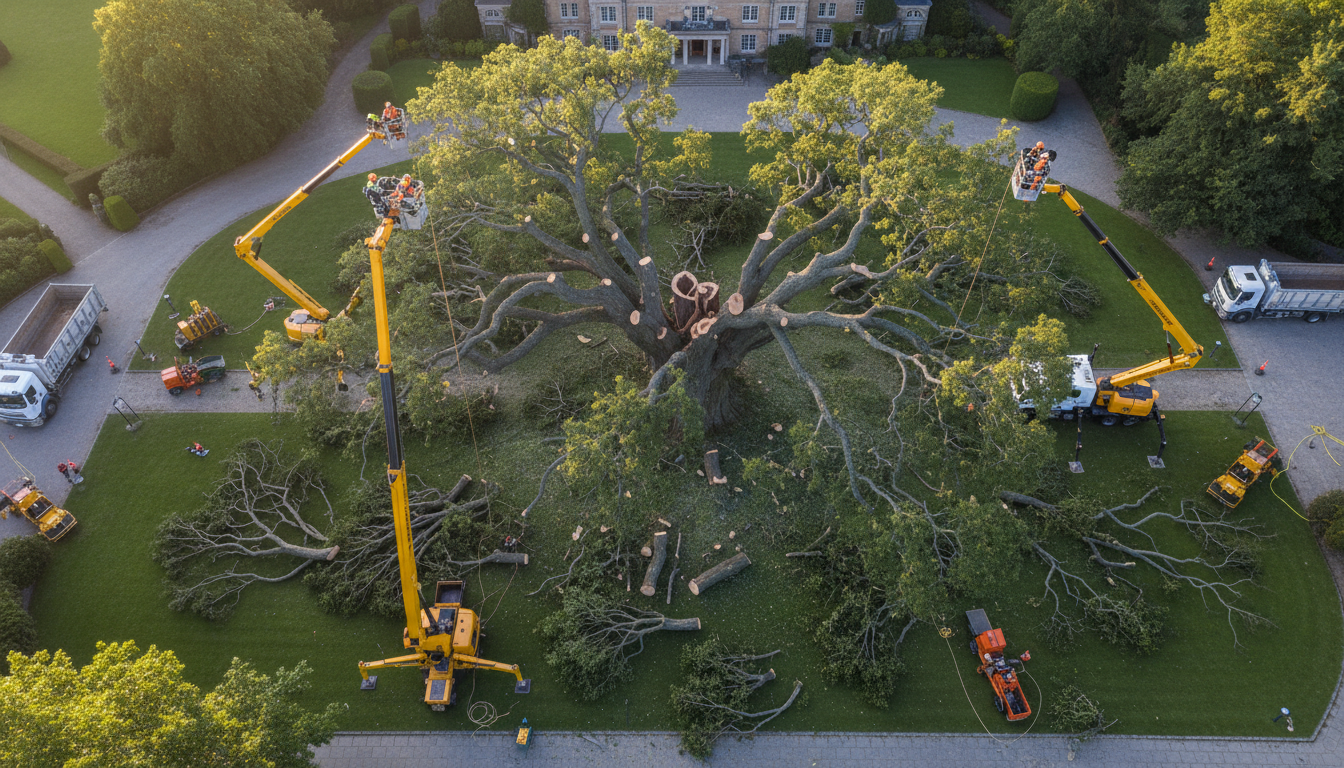
The Importance of Trees in Urban Areas
Trees provide a myriad of benefits to urban environments. They improve air quality, reduce urban heat, and enhance the aesthetic appeal of neighborhoods. In Hillsboro, the local government has recognized these benefits and prioritized tree preservation in public planning.
For example, maintaining a healthy tree canopy has been shown to increase property values and attract businesses. The city has implemented strategies that ensure trees are protected during construction projects, emphasizing their role in creating a sustainable environment.
Key Projects in Hillsboro
Several projects have highlighted Hillsboro's commitment to tree preservation. One notable initiative is the Downtown Greenbelt Project, which focused on preserving existing trees while planting new ones to expand the urban canopy.
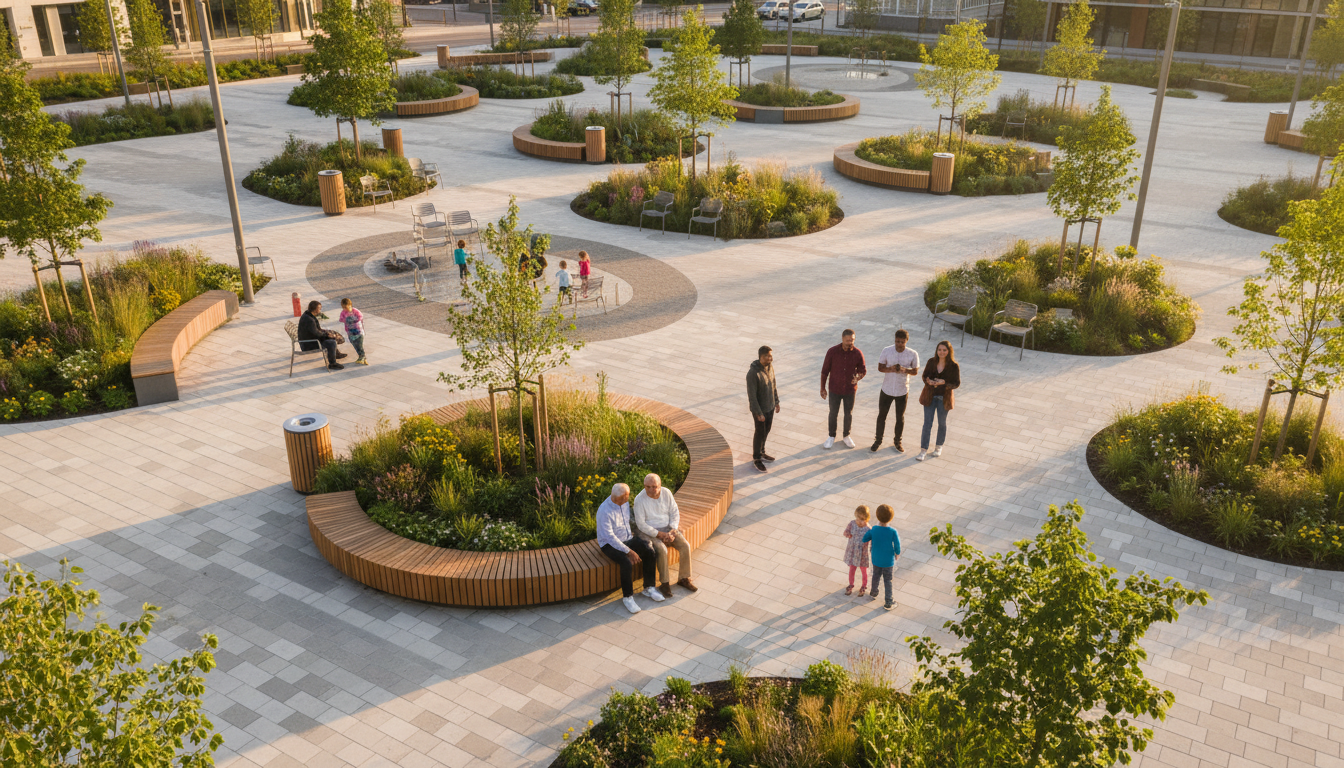
Another successful endeavor is the Community Tree Planting Program. This program encourages residents to participate in planting native species, fostering a sense of community ownership and responsibility.
Strategies for Successful Implementation
The success of these projects can be attributed to a few key strategies. These include:
- Thorough Planning: Integrating tree preservation into the initial phases of urban development projects.
- Community Involvement: Engaging local residents through workshops and volunteer opportunities.
- Partnerships: Collaborating with environmental organizations and local businesses.

Challenges and Solutions
Despite the achievements, Hillsboro faced several challenges in its tree preservation efforts. One major challenge was balancing development needs with environmental goals. To address this, the city employed innovative solutions, such as using permeable surfaces to protect root systems during construction.
Funding was another obstacle. By fostering public-private partnerships, Hillsboro was able to secure the necessary resources for these projects, demonstrating the power of collaboration in achieving environmental objectives.
Measuring Success
To measure the success of these tree preservation projects, Hillsboro implemented a comprehensive monitoring system. This system tracks tree health, canopy growth, and community engagement levels, providing valuable data to guide future efforts.
Surveys and feedback from residents have shown a high level of satisfaction, indicating that the projects not only meet environmental goals but also enhance the quality of life in the community.
Conclusion
Hillsboro's successful tree preservation projects serve as a model for other cities looking to integrate green initiatives into urban planning. By prioritizing trees and involving the community, Hillsboro has created a sustainable urban environment that benefits both people and nature.
The strategies, challenges, and solutions outlined in this case study offer valuable insights for any city aiming to enhance its urban landscape through effective tree preservation.