Common Misconceptions About Tree Pruning: Insights from Hillsboro Arborists


Understanding Tree Pruning
Tree pruning is an essential practice for maintaining the health and aesthetics of trees. However, there are several common misconceptions surrounding it that can lead to improper care. Here, we explore these myths, guided by insights from expert arborists in Hillsboro.
Misconception 1: Pruning Is Only for Aesthetics
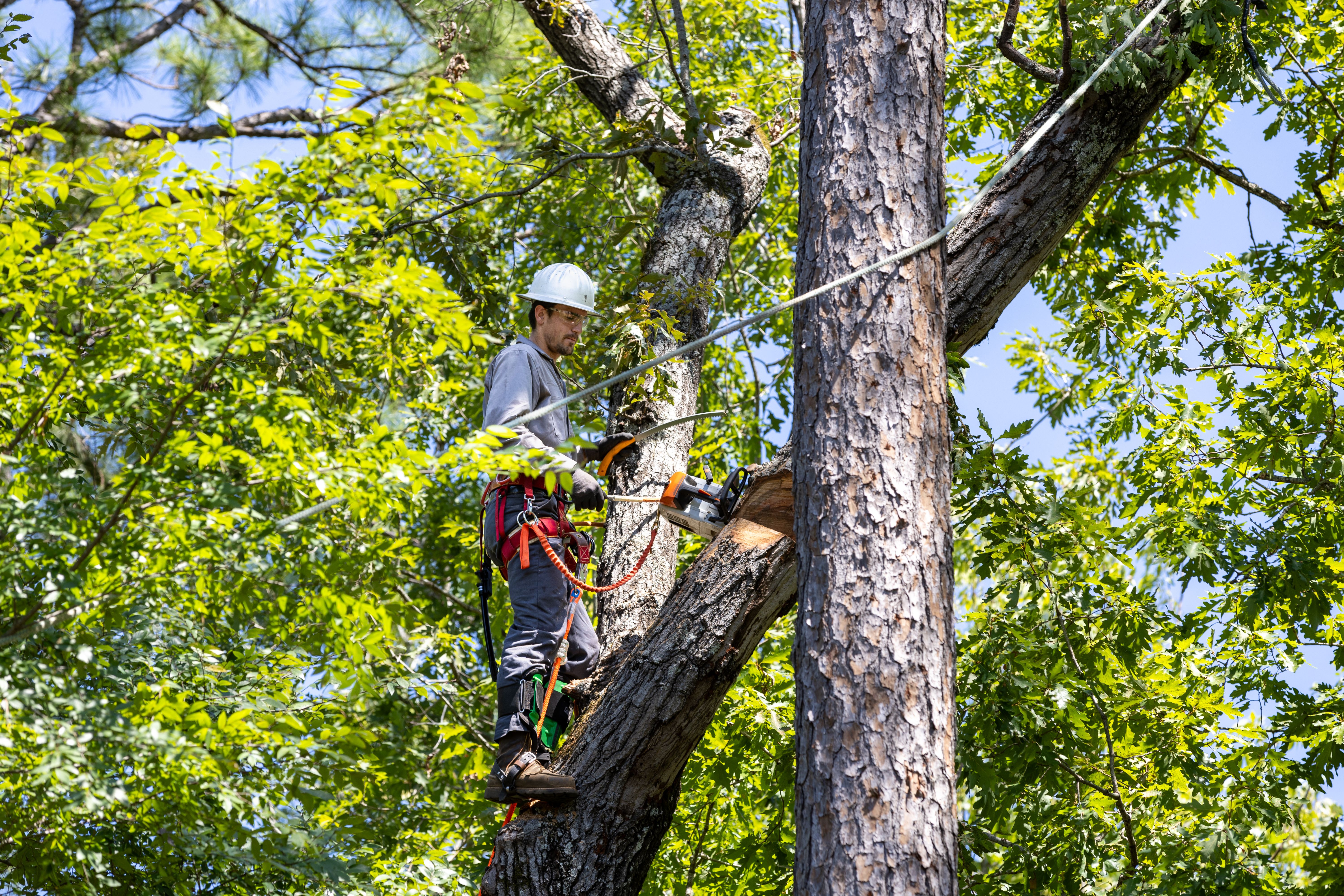
One of the most widespread misconceptions is that tree pruning is solely for aesthetic purposes. While pruning does enhance the appearance of trees, its primary purpose is to promote health and safety. Proper pruning removes dead or diseased branches, allowing the tree to thrive and preventing potential hazards.
Pruning also helps in shaping young trees to improve their structural integrity, ensuring they grow in a balanced manner. This proactive care can prevent costly problems down the line.
Misconception 2: Any Time Is a Good Time for Pruning
Timing is crucial when it comes to tree pruning. Many people believe that trees can be pruned at any time of the year, but this is not accurate. Different trees have specific needs and ideal pruning times. Generally, late winter or early spring is best for most trees, as they are dormant and less likely to suffer from stress.
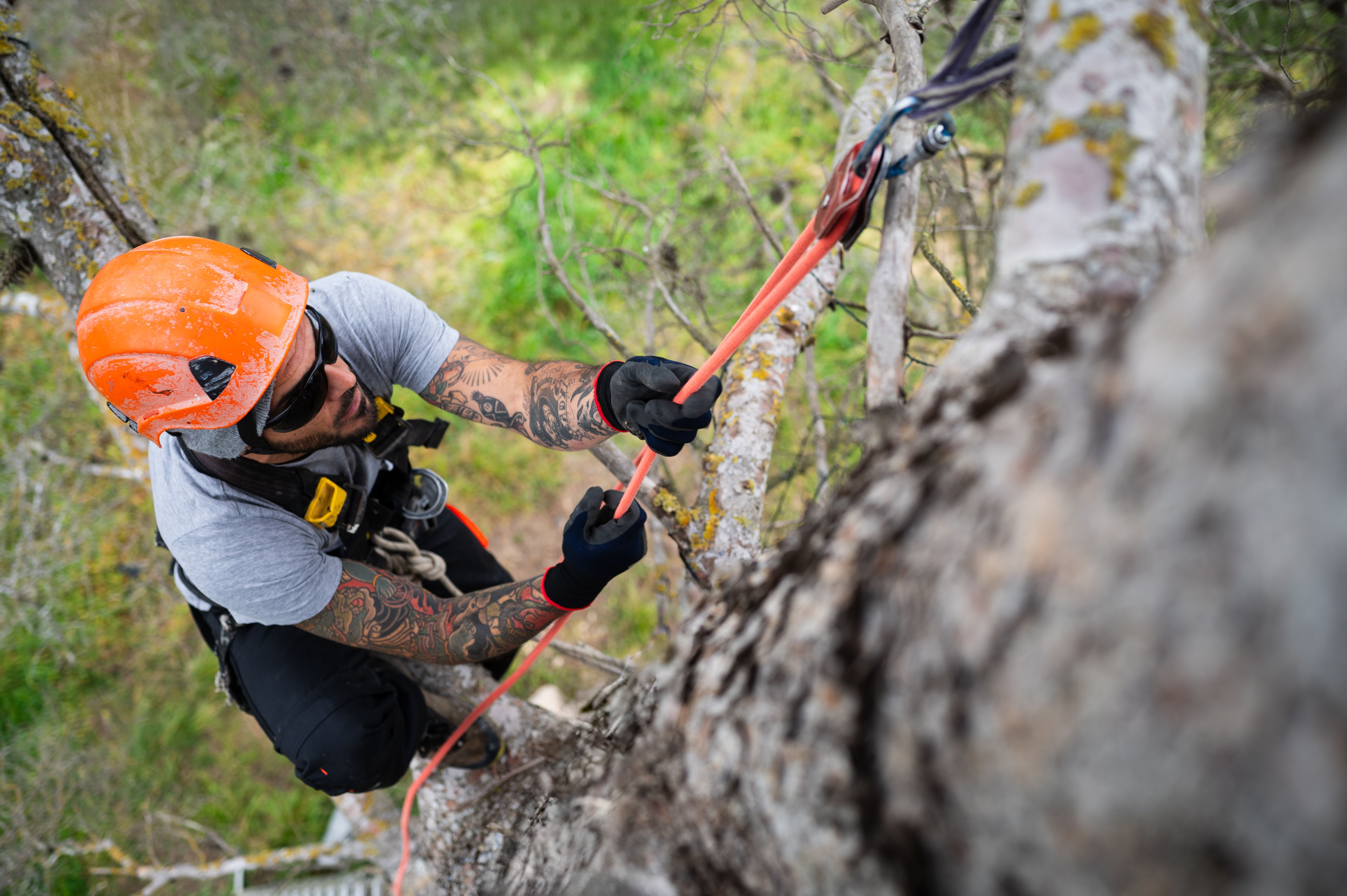
Pruning during the wrong season can lead to poor growth and increased susceptibility to pests and diseases. It’s essential to consult with professional arborists to determine the best time for pruning specific tree species.
Misconception 3: Topping Is an Effective Pruning Method
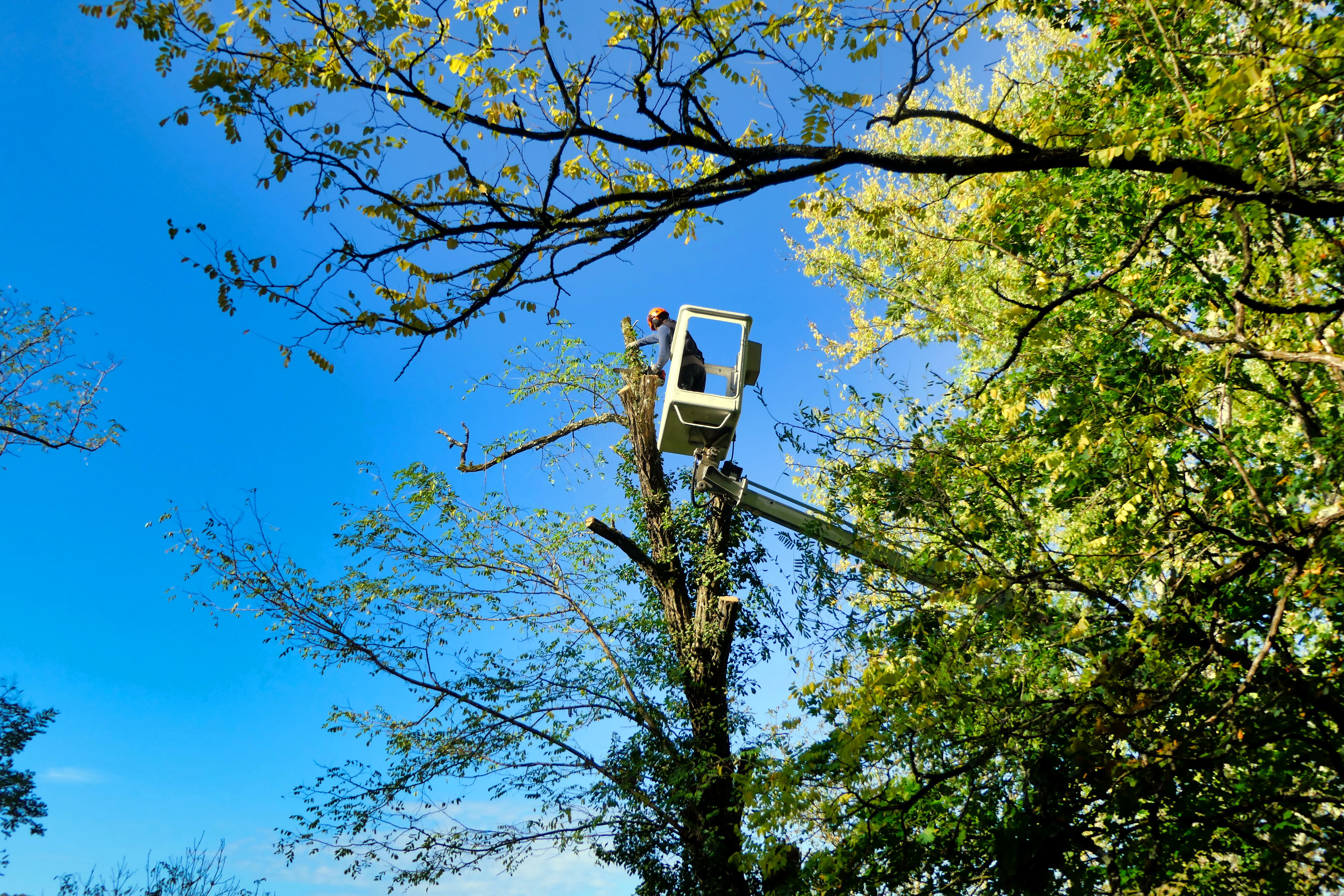
Topping, the practice of cutting back large branches or the top of a tree, is often mistakenly thought to be beneficial. However, this method can severely damage a tree. It can lead to weak, unstable limbs and increased vulnerability to diseases and pests.
Instead of topping, arborists recommend selective pruning, which involves removing specific branches to maintain the tree’s natural shape and health. This method supports the tree's longevity and stability.
Misconception 4: All Trees Require Frequent Pruning
Another misconception is that all trees need to be pruned frequently. In reality, the frequency of pruning depends on the tree species, age, and health. Over-pruning can harm a tree’s health and growth.
Arborists suggest creating a customized pruning schedule based on the specific needs of each tree, ensuring that it receives the appropriate care without unnecessary stress.
Conclusion
Understanding the truths about tree pruning can help in maintaining healthy, beautiful trees. By dispelling common myths and relying on expert advice from arborists, homeowners can ensure their trees are properly cared for. Remember, well-maintained trees not only enhance the beauty of your property but also contribute significantly to the environment.